
How to Prepare Your Dayton Lawn for Winter: Expert Tips


Understanding the Importance of Winter Lawn Preparation
As the vibrant colors of fall begin to wane, it's crucial to shift your focus to preparing your Dayton lawn for winter. Proper preparation ensures that your lawn remains healthy and lush when spring arrives. By taking a few proactive steps, you can protect your grass and enhance its resilience against the harsh winter conditions.
Winter can be tough on lawns, but with the right care, your grass can survive and thrive. The key is to start early and follow a strategic plan that addresses the specific needs of your lawn. Let's dive into expert tips to help you get started.
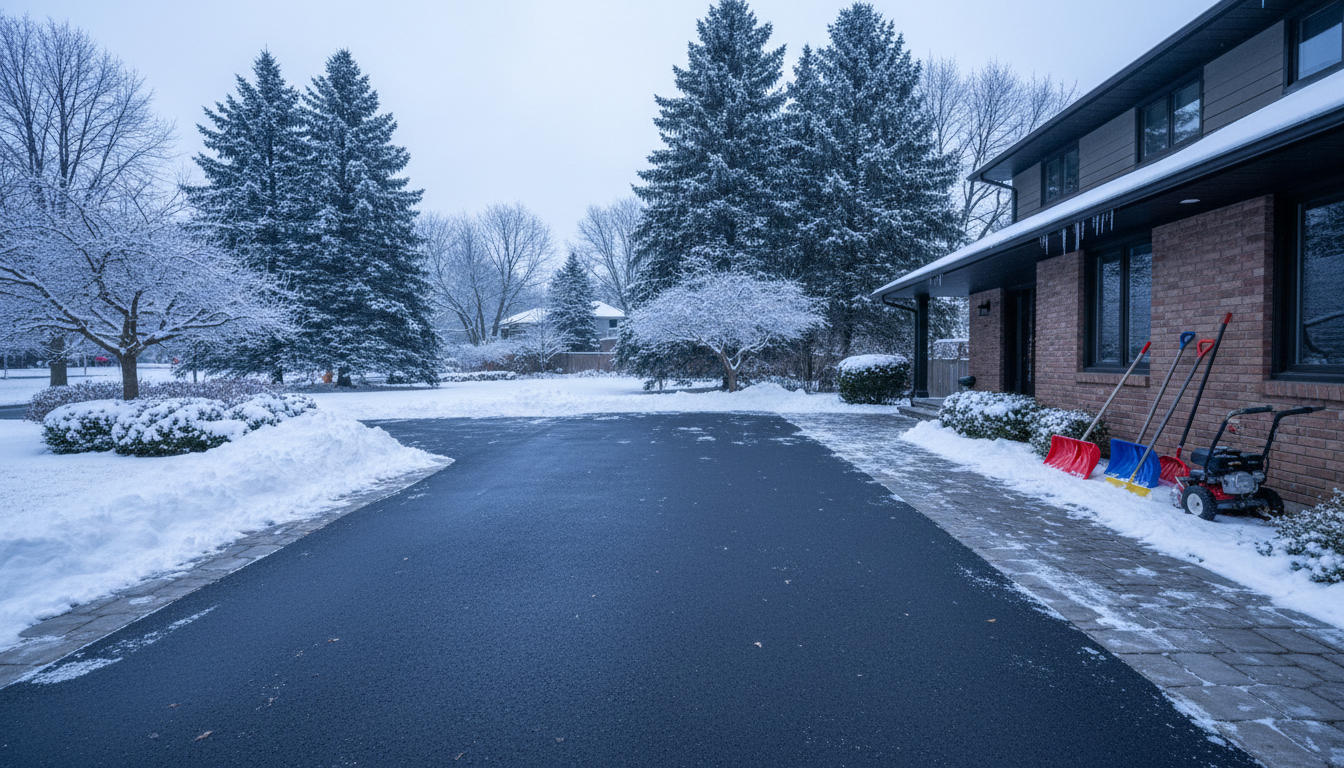
Essential Steps for Winterizing Your Lawn
1. Mowing and Aeration
One of the first steps in preparing your lawn for winter is mowing. Gradually lower the cutting height of your mower as the season progresses, but avoid cutting too short. This helps prevent disease and allows sunlight to reach the soil.
Aerating your lawn is equally important. By creating small holes in the soil, you can improve air circulation and nutrient absorption, which strengthens the root system. Aeration also helps alleviate soil compaction, allowing water to penetrate more effectively.
2. Raking and Clearing Debris
Raking is not just for leaves; it's vital for keeping your lawn free of debris that can suffocate the grass. Regularly remove fallen leaves, twigs, and other debris to prevent mold and disease. A clean lawn also deters pests that might take shelter during the colder months.

Nourishing Your Lawn for the Cold Months
3. Fertilizing with the Right Nutrients
Applying fertilizer in late fall provides essential nutrients that help grass survive the winter. Use a fertilizer rich in potassium, which boosts the plant's ability to withstand cold and disease. This step lays the foundation for a lush, green lawn come spring.
Be sure to follow the instructions on the fertilizer package to avoid over-application, which can harm the lawn. A balanced approach will ensure that your lawn remains healthy during the dormant months.
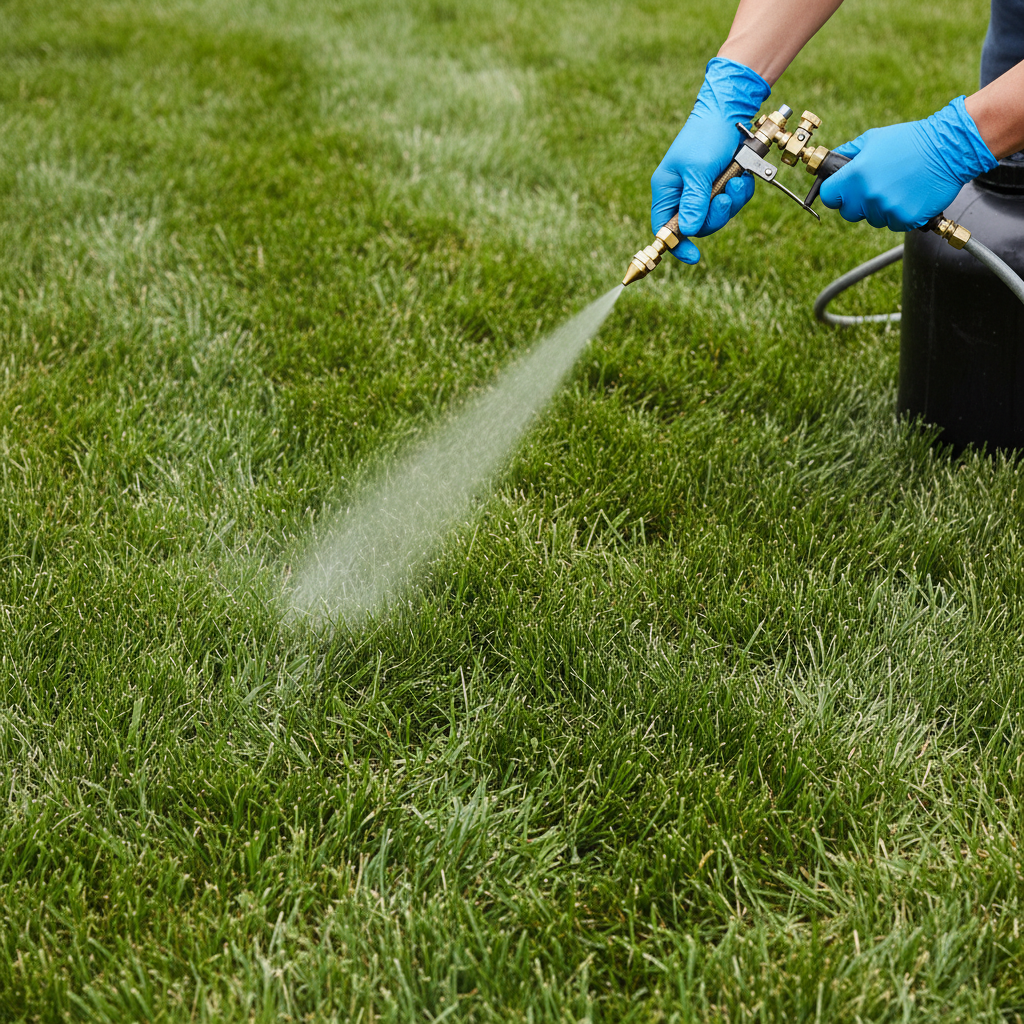
4. Overseeding for a Thicker Lawn
If your lawn has bare patches or thin areas, consider overseeding. This process involves spreading grass seeds over the existing lawn to promote thicker growth. Choose a seed blend suitable for your climate and soil type for optimal results.
Overseeding not only enhances the lawn's appearance but also improves its resilience against weeds and diseases. Water the area well after seeding to encourage growth before the ground freezes.
Final Touches for a Healthy Winter Lawn
5. Watering Wisely
Before the ground freezes, ensure your lawn is well-hydrated. Deep watering in the weeks leading up to winter helps maintain root health. However, avoid overwatering, as soggy soil can lead to root rot and other issues.
Monitor weather conditions and adjust your watering schedule accordingly. A well-watered lawn is better equipped to handle the stress of winter.

By following these expert tips, you can effectively prepare your Dayton lawn for winter. With a little effort and attention, you'll provide your grass with the support it needs to endure the cold months and emerge vibrant and strong in the spring.