
Comprehensive Guide to Virginia Green Lawn Care: Tips from a Veteran-Owned Business


Introduction to Virginia Green Lawn Care
Virginia offers a unique climate that can both challenge and benefit lawn care enthusiasts. From the cold winters to hot, humid summers, maintaining a lush green lawn requires dedication and expertise. As a veteran-owned business, we pride ourselves on offering tried-and-true advice to keep your lawn healthy and vibrant all year round.
Understanding Virginia's Climate
The climate in Virginia varies significantly, impacting how you should care for your lawn. The state experiences four distinct seasons, and each brings its own set of challenges. Understanding these seasonal changes is crucial for effective lawn care.
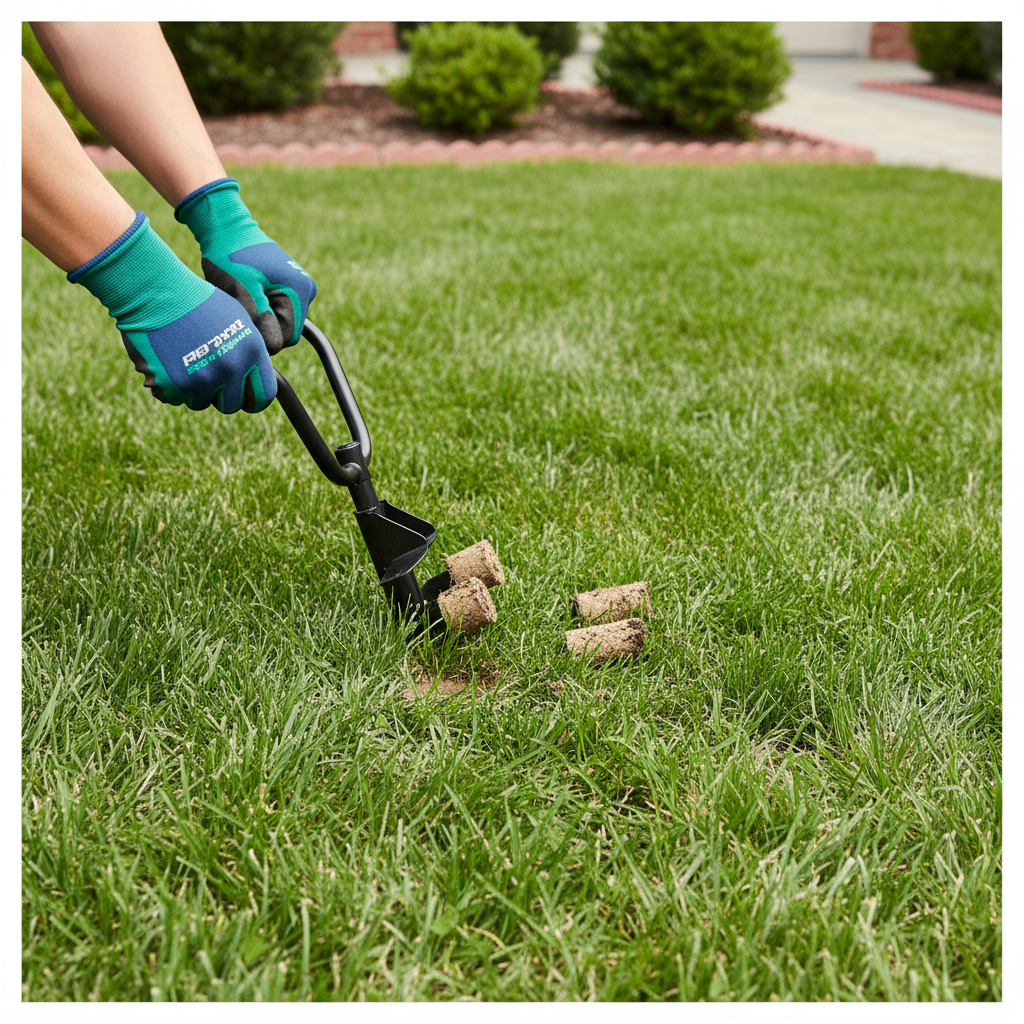
In spring, focus on aeration and fertilization. The warmer temperatures and increased rainfall create ideal conditions for grass growth. Summer requires more attention to watering, as the heat can quickly dry out your lawn. Fall is the perfect time for seeding and preparing your grass for the colder months ahead.
Soil and Grass Types
Virginia is home to a variety of soil types, from clay to sandy soils. Conducting a soil test can provide valuable insights into the pH and nutrient levels of your lawn. This information helps determine the best grass type to plant. Common choices include Tall Fescue, Kentucky Bluegrass, and Bermuda Grass, each with its own set of benefits and maintenance requirements.

Lawn Care Techniques
Proper mowing is essential for maintaining a healthy lawn. Set your mower to the correct height based on the grass type, and never cut more than one-third of the grass blade at a time. This encourages deep root growth and helps prevent weeds.
Watering is another critical component. It's best to water early in the morning to reduce evaporation and fungal diseases. Aim for deep, infrequent watering to encourage roots to grow deeper into the soil.
Pest and Weed Management
Pests and weeds can pose significant challenges to Virginia lawns. Regular monitoring and early intervention are key to keeping them under control. Integrated Pest Management (IPM) strategies can be effective, combining biological, cultural, and chemical methods to manage pests responsibly.
- Identify common pests like grubs and chinch bugs.
- Use herbicides wisely, targeting specific weeds without harming your grass.

Choosing the Right Fertilizer
Fertilization is vital for providing your lawn with the nutrients it needs. Select a fertilizer that matches your lawn's specific needs, considering both the type of grass and the season. Slow-release fertilizers are often recommended to provide a consistent supply of nutrients over time.
Applying fertilizer at the right time is crucial. Generally, the best times are early spring and fall, aligning with the grass's natural growth cycles. Always follow the manufacturer's instructions to avoid over-fertilization, which can harm your lawn and the environment.
Partnering with Professionals
While DIY lawn care can be rewarding, partnering with professionals can ensure your lawn receives expert attention. As a veteran-owned business, we bring a discipline and attention to detail that sets us apart. Whether you need help with routine maintenance or a complete lawn makeover, professional services can save time and deliver exceptional results.
